Driving in New Zealand for Tourists: Road Rules You Must Know
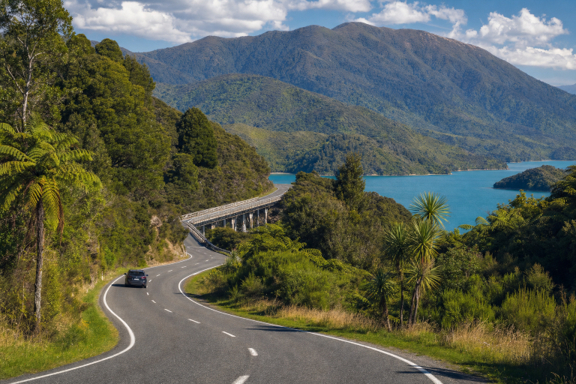
The essential New Zealand road rules for visitors — drive on the left, speed limits, give-way rules, one-lane bridges and safety tips for your rental car.
Driving in New Zealand for Tourists: Road Rules You Must Know is a practical, data-driven guide designed for travelers who plan to rent a car and explore Aotearoa. Published by Yes Rentals, this guide combines evidence-based road safety practices with rental-specific considerations to help you navigate New Zealand’s diverse landscapes—from winding coastal highways to remote rural byways. If you’re new to driving here, you’ll learn how to prepare, execute a safe and legal trip, and handle common challenges that travelers often face on New Zealand roads. This guide aims to save you time, reduce risk, and maximize your enjoyment of New Zealand’s scenery and experiences. Driving in New Zealand for Tourists: Road Rules You Must Know is designed to be accessible for all readers, whether you’re a first-time renter or upgrading to a larger vehicle for family travel. You’ll find step-by-step instructions, practical tips, and references to official road rules to ensure your journey starts on solid footing. This guide also helps you understand how to coordinate with rental agencies, verify licensing requirements, and plan routes with confidence, using a data-driven approach that emphasizes safety and compliance.
In New Zealand, vehicles drive on the left-hand side of the road, and road rules apply equally to locals and visitors alike. This fact shapes how you approach every turn, merge, and lane change and is a cornerstone of safe driving across both urban streets and rural highways. For travelers who plan to rent a vehicle, it’s important to know you can drive on an overseas licence for up to 18 months from your last arrival in New Zealand. This flexibility helps visitors who don’t yet have a New Zealand driver licence. However, the exact requirements can vary by licence type, language, and duration of stay, so you should verify your specific situation before hitting the road. All occupants must wear seat belts, and mobile phone use is regulated to minimize distractions while driving. As you prepare, you’ll want a clear plan for speed limits, road signs, and local regulations, which may differ from your home country. These rules and practical steps are summarized below, along with actionable guidance to help you stay safe and compliant during your New Zealand road trip. Where relevant, you’ll find links to official sources for further detail.
Opening
If you’re planning a New Zealand road trip, the first priority is safety and compliance. The country’s varied terrain—craggy coastlines, alpine passes, and remote backroads—demands careful preparation, a sensible vehicle choice, and a clear understanding of local road rules. This guide will walk you through practical, step-by-step actions so you can rent a car with confidence, drive legally on your schedule, and handle common pitfalls that travelers encounter. Expect a thorough, data-informed approach that blends rental best practices with the official rules every driver must follow. By the end, you’ll be equipped with a repeatable process you can apply to any New Zealand itinerary, from city exploration to offshore island adventures.
This guide is organized for readers who want a concrete, actionable plan. You’ll find prerequisites and setup to complete before you drive, a sequence of steps you can follow to get on the road, troubleshooting and tips for common issues, and clear next steps for further mastery. If you’re ready to turn a dream New Zealand road trip into a safe, smooth reality, you’ll find the steps below to be practical and immediately usable. The content draws on official road rules and safety guidance from Waka Kotahi NZ Transport Agency and the New Zealand Police, with a focus on rental-driving scenarios and traveler-specific considerations. The result is a reliable, reader-friendly guide you can reference before and during your rental adventure.
Prerequisites & Setup
Licensing eligibility
Before you rent or drive, confirm you meet legal requirements to operate a vehicle in New Zealand. Visitors can drive on overseas licences for up to 18 months from their last arrival date, provided the licence is valid and appropriate for the vehicle category. If your licence is not in English, you may need an English translation or an approved international driving permit. It’s essential to verify these details with your rental agency and official sources before departure, because rules may differ by licence type and length of stay. This step helps prevent on-road interruptions or fines once you’re in country. For most travelers, the 18‑month window provides ample time to explore popular routes and off-the-beaten-path destinations without needing to obtain a New Zealand licence immediately. [Sources: NZTA guidance on driving with overseas licences; international language considerations; and visitor-specific road rules.] (nzta.govt.nz)
Documentation & translation
Prepare documentation to support your driving eligibility and vehicle rental. Carry your passport, valid driver licence, and any translations or permits required by your licence type. Rental agencies typically require a valid licence, a credit card for security, and a passport or alternate photo ID. While the precise requirements vary by rental company, aligning with NZTA and Police guidance helps ensure you won’t face surprises at the counter or while on the road. The official guidance emphasizes following road rules and maintaining valid documentation while driving a rental vehicle. See the NZTA Renting a Vehicle resource for more detail. (nzta.govt.nz)
Vehicle readiness & rental setup
Choose a rental vehicle that matches your travel plan, group size, and driving routes. For long trips or rural expeditions, consider fuel efficiency, luggage capacity, and driving comfort. If you anticipate windy coastal roads or mountain passes, a compact SUV or a practical hatchback with good steering and stability can be a wise choice. Confirm insurance coverage, road-side assistance, and any extra equipment (child seats, GPS, etc.) with the rental agency. The NZTA guidance and rental-specific resources outline expectations for rental vehicles and compliance, including the requirement to obey road rules and local bylaws while driving a rental. (nzta.govt.nz)
Local knowledge & route planning tools
Familiarize yourself with key local rules and safety practices before departure. A practical step is to obtain the official driving brochure or road code and, if possible, a quick review of the “Driving in New Zealand” material from NZTA and Police. In addition, plan your routes using official planning tools such as the NZTA Journey Planner to get current travel times and road conditions. This helps you align expectations with reality and reduces time spent stuck in avoidable delays. The Journey Planner is specifically recommended by NZTA for up-to-date route information. (newzealand.com)
Time and skill assessment
Be realistic about your time estimates and driving skill level for New Zealand’s road network. Rural and coastal roads can be narrow or winding, with unique weather and animal-activity considerations. Start with shorter drives to acclimate to left-hand driving if you’re new to it, particularly in urban areas with complex traffic patterns and multiple roundabouts. Official road-safety resources highlight the importance of choosing appropriate routes and driving behavior to reduce risk on unfamiliar terrain. (nzta.govt.nz)
Step-by-Step Instructions
Step 1: Verify licensing and rental eligibility
What to do: Confirm you meet NZTA’s licensing requirements for driving in New Zealand as a tourist, including the 18-month overseas licence window if applicable. If your licence is not in English, arrange translations or an international driving permit as needed. Also confirm with the rental company that your license is valid for the vehicle category you intend to rent and that your documents are in order for pickup.
Why it matters: Driving legally avoids fines and rental issues, and it ensures your insurance and roadside assistance will apply if needed. Legal compliance is foundational to a safe trip and reduces friction during pickup and road travel.
Expected outcome: You have a clear, documented understanding of your eligibility and have all required documents ready for pickup, including translations if necessary. You’re prepared to proceed with the rental process without delays.
Common pitfalls to avoid: Assuming your home-country licence is automatically accepted for the full duration of your stay; failing to secure translations when required; missing the 18-month window due to incorrect arrival dates or misinterpretation of licence validity.
Practical note: If you’re unsure about language requirements or licence categories, consult the rental agency and NZTA resources early. The NZTA guidance and visitor resources provide clear direction on licence acceptance and how foreign licences are treated for tourism. (nzta.govt.nz)
Step 2: Choose the right rental car and confirm insurance
What to do: Select a vehicle that suits your itinerary, group size, and planned driving conditions. Confirm insurance coverage, liability limits, and what is covered in case of a breakdown. Check for extra gear you may need, such as child seats, GPS navigation, or a toll transponder if applicable.
Why it matters: The right vehicle reduces fatigue on long drives, improves safety on winding or remote roads, and ensures you’re covered in case of events on the road. Insurance details protect you financially in case of damage or theft.
Expected outcome: A rental agreement that matches your trip profile, with clearly understood terms of cover and support. You know exactly what is included and what would require additional purchase.
Common pitfalls to avoid: Underinsuring against potential repairs on remote roads; overlooking small print about mileage limits or coverage for windfall events; assuming all rental companies offer identical terms.
Practical note: The NZTA materials emphasize following road rules with rental vehicles and understanding the broader rental process. Use the Rental Vehicle guidance as a reference for what to look for in a policy and what to confirm at pickup. (nzta.govt.nz)
Step 3: Get comfortable with left-hand driving
What to do: Practice in a quiet area (parking lot or low-traffic street) to acclimate to the left-hand driving environment, lane discipline, and roundabouts. Observe signage, traffic flow, and typical NZ road markings.
Why it matters: The transition to left-hand driving is the most common challenge for visitors and a key factor in preventing mishaps during the first days of your trip.
Expected outcome: You feel confident handling basic maneuvers such as lane changes, turning, and merging in a left-hand traffic system.
Common pitfalls to avoid: Overcorrecting on turns or misjudging the position of the vehicle relative to the curb; underestimating the importance of staying in the correct lane, especially near roundabouts and on multi-lane roads.
Visual hint: A brief practice session in a safe, low-traffic area can dramatically reduce stress when you begin driving on busier roads. Official guidance underlines the importance of adapting to NZ’s left-hand traffic. (nzta.govt.nz)
Step 4: Plan routes with up-to-date travel times
What to do: Before starting any major leg, consult the NZTA Journey Planner or official travel advisories for current road conditions and travel times. Build flexible itineraries that allow for weather changes, roadworks, or wildlife considerations on rural routes.
Why it matters: New Zealand’s road network can vary by weather, season, and day of the week. Real-time planning helps you avoid delays and maintain safe driving windows.
Expected outcome: A route plan with realistic time estimates, alternative options, and an awareness of potential hazard zones.
Common pitfalls to avoid: Rigid schedules that don’t adjust to current road conditions; failing to account for rest breaks on long drives; ignoring official advisories that may affect route viability.
Practical note: NZTA’s Journey Planner is specifically recommended for travelers to obtain current road and travel time information. This is part of a data-driven approach to safe and efficient travel. (newzealand.com)
Step 5: Master core road rules that affect tourists
What to do: Learn and apply the core rules that frequently impact visitors: drive on the left, maintain safe following distances, wear seat belts, and observe speed limits. Understand basic lane discipline, vehicle control, and how to respond to signs and signals. For mobile devices, prepare to use hands-free options and avoid holding a phone while driving.
Why it matters: Road rules form the foundation of safe driving and legal compliance. Visitors who understand and follow these rules reduce risk for themselves and other road users.
Expected outcome: You drive with awareness of the NZ road rules, feel confident about basic behaviours, and avoid common legal or safety issues.
Common pitfalls to avoid: Using a mobile phone handheld while driving; neglecting seat-belt use or failing to ensure child restraints; misinterpreting lane usage or priority at roundabouts.
Key rules to remember (with official references):
- We drive on the left side of the road; keep left except when passing on multi-lane roads or when indicated otherwise. This is a fundamental rule enforced by NZ authorities. (nzta.govt.nz)
- You may drive with an overseas licence for up to 18 months, subject to licensing class and language requirements; verify with your rental provider and NZTA. (nzta.govt.nz)
- Seat belts are mandatory for all occupants; children require appropriate restraints as specified by law. (nzta.govt.nz)
- Do not use a hand-held mobile phone while driving; use hands-free devices where possible and follow the restrictions in the Land Transport Rule. (police.govt.nz)
- Adhere to posted speed limits and adjust for road type and conditions; speed management is a key safety practice on both urban and rural NZ roads. (police.govt.nz)
Step 6: Navigate intersections, roundabouts, and shared zones
What to do: Approach intersections with caution, yield as required, and prepare for roundabouts by selecting the correct lane in advance. Understand the right-of-way rules and be mindful of pedestrians and cyclists. In shared zones and residential areas, comply with lower speed limits and signage.
Why it matters: NZ roadways rely on predictable driving behaviours to prevent conflicts at intersections and in zones where pedestrians and cyclists share space.
Expected outcome: Smooth, compliant handling of intersections and roundabouts, with reduced risk of collisions or near-misses.
Common pitfalls to avoid: Cutting across lanes in a roundabout; failing to yield to pedestrians; misreading signage at complex intersections.
Practical note: NZ legislation and road rules provide detailed guidance on passing, lane usage, and intersection behavior. While you don’t need to memorize every clause, understanding the general flow helps you drive with confidence. (legislation.govt.nz)
Step 7: Preparedness for weather, night driving, and rural travel
What to do: Check weather forecasts and road conditions before long drives, especially in alpine or coastal regions. If driving at night, use headlights appropriately and stay vigilant for wildlife and slower-moving vehicles. On rural roads, expect narrower lanes, sharp bends, and potential surface irregularities.
Why it matters: New Zealand’s climate and terrain can introduce hazards that aren’t typical in many other countries. Proactive planning reduces risk and increases safety margins.
Expected outcome: Safer night-time and rural driving experiences, with reduced exposure to weather-related hazards.
Common pitfalls to avoid: Traveling in severe weather without backup plans; ignoring wildlife in rural areas; assuming rural roads have the same clearance and lighting as urban streets.
Step 8: Emergency planning and roadside readiness
What to do: Familiarize yourself with what to do in case of a breakdown, accident, or other emergency. Carry a basic emergency kit, know how to contact roadside assistance through your rental agency, and have a contact method for local emergency services. If you are involved in an incident, follow official reporting procedures and document details as needed.
Why it matters: Being prepared for a breakdown or collision reduces stress and speeds recovery, particularly when you’re on unfamiliar roads far from urban centers.
Expected outcome: A clear plan for emergencies, with access to help when needed and confidence in how to respond.
Common pitfalls to avoid: Relying solely on memory for emergency steps; delaying contact with roadside assistance; failing to document important details after an incident.
Step 9: Final checks before departure and during the journey
What to do: Before you depart each leg, perform quick checks: ensure you’re within speed limits, occupants are properly belted, and you’re following the correct lane and positioning on multi-lane roads. When you approach unfamiliar sections (mountain passes, fjord routes, or coastal roads), adjust your speed and driving style to the terrain.
Why it matters: Small checks contribute to ongoing safety and legal compliance throughout the trip and help prevent routine issues from becoming problems.
Expected outcome: A driving routine that consistently aligns with NZ road rules, vehicle safety standards, and your itinerary’s demands.
Common pitfalls to avoid: Skipping pre-drive checks; overestimating your ability to adapt mid-journey without planning; neglecting to account for fatigue.
Troubleshooting & Tips
Common issues with driving in NZ and practical fixes
- Issue: Difficulty adjusting to left-hand driving in busy urban areas.
- Fix: Start with shorter, low-traffic drives in the first day or two to build familiarity, then gradually tackle busier routes. Visual cues, such as staying close to the curb at first, can help you gauge lane position. Official guidance emphasizes practicing left-hand driving as a key safety step. (nzta.govt.nz)
- Issue: Misreading speed limits on rural roads or winding coastal routes.
- Fix: Rely on posted speed limits and adjust speed for sightlines, weather, and surface conditions. When in doubt, err on the side of caution. NZ road rules and safety resources highlight speed management as a core driver safety principle. (police.govt.nz)
- Issue: Distracted driving due to mobile devices.
- Fix: Use hands-free devices and set up navigation and music before you begin driving. The official guidance and police information emphasize the prohibition of handheld phone use while driving. (nzta.govt.nz)
- Issue: Getting lost or encountering unexpected road closures.
- Fix: Plan routes in advance with live planning tools, and keep a flexible itinerary. The Journey Planner tool from NZTA is specifically recommended to access current road and travel information. (newzealand.com)
- Issue: Rental car issues (fuel, maintenance, or equipment).
- Fix: Confirm the vehicle’s maintenance status at pickup, confirm fuel policy, and verify any add-ons. Rental guidelines from NZTA emphasize compliance with road rules and local bylaws, which include vehicle readiness and the responsibilities of rental providers. (nzta.govt.nz)
Pro tips for safer, smoother driving
- Pro tip: Start early to maximize daylight driving hours and reduce fatigue from long days of sightseeing.
- Pro tip: Keep a simple emergency kit in the car with flashlight, water, snacks, a small first-aid kit, and a charger for your mobile device.
- Pro tip: Use official planning tools to anticipate travel times and potential delays, allowing you to pace your day and avoid rushing on narrow rural roads. Journey Planner guidance from NZTA supports this approach. (newzealand.com)
Quick-reference safety checklist
- Drive on the left; stay in your lane and yield when required.
- Wear seat belts; use appropriate child restraints where applicable.
- Do not use handheld mobile devices while driving; use hands-free alternatives.
- Observe posted speed limits and adjust for road conditions.
- Plan routes with up-to-date information and leave room for rest breaks.
Next Steps
Advanced planning & route optimization
- Build multi-day itineraries that balance scenic detours with reliable driving times. Use Journey Planner and official road information to structure days that minimize fatigue and maximize safety. The NZTA Journey Planner is explicitly recommended for current road conditions and travel times. (newzealand.com)
Additional resources for ongoing safety
- Review the Driving in New Zealand materials produced by NZTA and the New Zealand Police for a deeper understanding of driving rules, road signs, and safety practices. These official sources provide authoritative guidance on how to stay compliant and protected while touring by car. (nzta.govt.nz)
Rental-car best practices for travelers
- Coordinate with your rental agency on insurance, roadside assistance, and any optional equipment you might need for your planned routes. Ensure you understand the process for reporting incidents and the coverage options available to you. NZTA’s Renting a Vehicle resource outlines these considerations and underscores the importance of following local road rules while driving a rental. (nzta.govt.nz)
Safety-first driving roadmap
- Continue to apply the left-hand driving discipline, maintain situational awareness on remote roads, and leverage official planning tools to stay informed about road conditions. By integrating these practices with the step-by-step approach outlined here, you’ll be well-positioned to enjoy New Zealand’s scenery and experiences with confidence and safety.
Closing
Driving in New Zealand for Tourists: Road Rules You Must Know is designed to be a practical, actionable guide that helps you prepare, execute, and refine a safe, legal, and enjoyable road trip. By confirming licensing eligibility, selecting the right rental, building comfort with left-hand driving, planning routes with current information, and adhering to core road rules, you’ll minimize risk and maximize your travel experience. The journey—from Auckland’s urban corridors to the remote coastal highways—will be safer and more enjoyable when you follow the structured steps, leverage official resources, and stay adaptable to changing conditions. If you’re ready to embark on your New Zealand adventure, use this guide as your companion to a confident, responsible, and rewarding driving experience with Yes Rentals.